Admin
Admin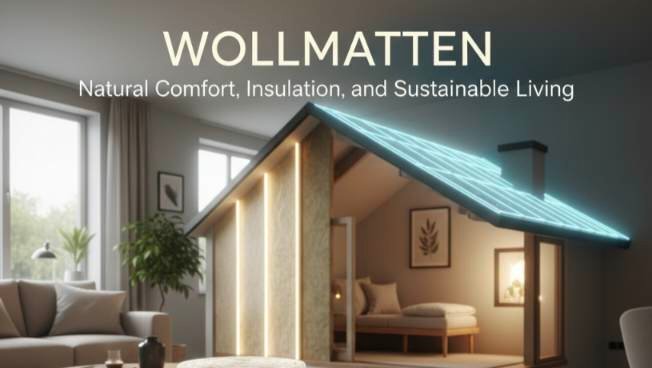
In recent years, natural materials have made a strong comeback in home design, wellness, and sustainable living. Among these materials, wollmatten stand out for their comfort, durability, and eco-friendly qualities. Made from natural wool fibers, these mats are valued for insulation, sound absorption, and everyday comfort. This article explores their uses, benefits, and how they fit into modern lifestyles while keeping a clear, human perspective.
What Are Wollmatten and Why Are They Popular
Wollmatten are mats produced primarily from compressed or felted wool. Wool has been used for centuries because of its natural resilience and warmth, and these mats continue that tradition in a modern form.
Natural Origins and Material Quality
Wool fibers come from sheep and are naturally elastic, breathable, and insulating. This makes wool mats suitable for homes, studios, and workspaces where comfort and temperature balance are important.
Growing Demand for Natural Products
As more people look for alternatives to synthetic materials, wool-based products are gaining attention. Consumers appreciate renewable resources, low environmental impact, and products that feel authentic and long-lasting.
Key Benefits of Using Wollmatten at Home
One reason wool mats remain popular is their wide range of practical benefits. They combine function with comfort in a way few synthetic materials can match.
Thermal and Acoustic Insulation
Wool naturally traps air, helping regulate temperature. In cooler months, it keeps spaces warm, while in warmer seasons it helps maintain balance. Wollmatten also absorb sound, reducing echo and creating a calmer environment.
Comfort and Durability
Walking or sitting on a wool mat feels soft yet supportive. Wool fibers spring back into shape, which means these mats resist flattening and maintain their structure over time.
Common Uses in Modern Living Spaces
Wool mats are versatile and fit into many areas of daily life. Their natural look blends well with both minimalist and traditional interiors.
Flooring and Interior Design
In living rooms, bedrooms, and offices, wollmatten provide warmth underfoot and add a subtle texture to the space. Interior designers often use them to create cozy zones without overwhelming the room.
Wellness and Lifestyle Applications
Yoga studios, meditation spaces, and relaxation areas frequently use wool mats. The soft surface and natural feel support mindful practices and long sessions on the floor.
Sustainability and Environmental Impact
Environmental awareness plays a major role in why people choose wool products. Wool mats align well with sustainable values.
Renewable and Biodegradable Material
Wool is a renewable resource, and when responsibly sourced, it has a lower environmental footprint than many synthetic alternatives. At the end of its life cycle, wool naturally decomposes.
Supporting Ethical Production
Many producers focus on ethical farming and fair labor practices. Choosing responsibly made wollmatten supports sustainable supply chains and traditional craftsmanship.
Care, Maintenance, and Longevity
Proper care helps wool mats last for many years. Fortunately, maintaining them is relatively simple.
Cleaning and Everyday Care
Regular shaking, vacuuming on a gentle setting, and spot cleaning with mild soap keep wool mats fresh. Wool naturally resists dirt and odors, making frequent deep cleaning unnecessary.
Extending Product Life
Avoid prolonged exposure to direct sunlight and excessive moisture. With mindful use, wollmatten maintain their shape, texture, and comfort for a long time.
FAQs
What makes wollmatten different from synthetic mats?
They are made from natural wool, offering better breathability, insulation, and environmental benefits.
Are wool mats suitable for people with allergies?
High-quality wool can actually help reduce dust in the air, but individual sensitivities may vary.
Can wollmatten be used on heated floors?
Yes, wool handles temperature changes well and works effectively with underfloor heating.
How long do wool mats typically last?
With proper care, they can last many years without losing structure or comfort.
Are wollmatten environmentally friendly?
Yes, they are renewable, biodegradable, and often produced with sustainability in mind.
Conclusion
Choosing wollmatten is more than a design decision; it is a lifestyle choice rooted in comfort, sustainability, and natural living. Their ability to insulate, absorb sound, and provide long-lasting comfort makes them a practical addition to modern homes and wellness spaces. By understanding their benefits and caring for them properly, users can enjoy a timeless product that blends tradition with contemporary needs.