Admin
Admin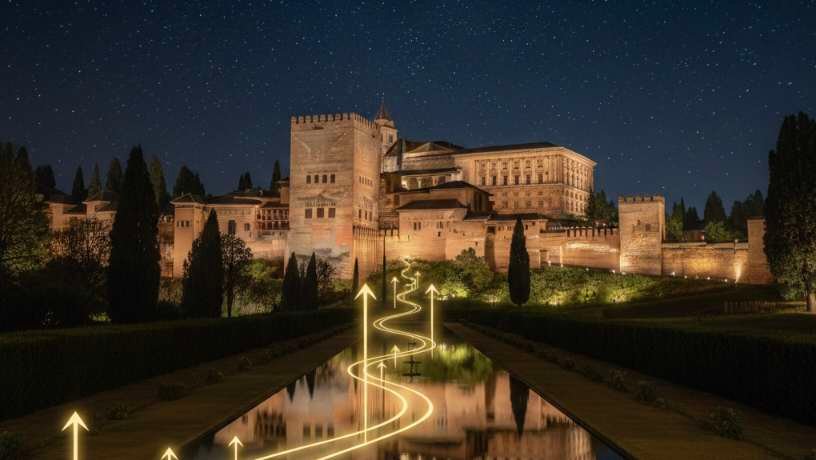
Introduction to Night Tourism at a Historic Landmark
Night tourism has become an increasingly popular way for travelers to experience heritage sites in a calmer, more atmospheric setting. The Alhambra, known for its architectural beauty and historical depth, offers evening visits that reveal a different side of this iconic monument. Discussions around alhambra night tour attendance revenue often focus on how these after-dark experiences influence visitor numbers, local engagement, and the overall sustainability of cultural tourism.
Unlike daytime visits, night tours attract visitors seeking intimacy, storytelling, and ambiance. Soft lighting, cooler temperatures, and guided narratives allow guests to connect emotionally with history. This growing interest has encouraged planners and cultural managers to examine how attendance patterns translate into economic and cultural value.
The Appeal of Night Tours for Visitors
A Unique Atmosphere After Sunset
Night tours offer a sensory experience that daytime visits cannot replicate. Subtle lighting highlights architectural details while creating a sense of mystery and calm. Visitors often describe feeling more connected to the site, as crowds are smaller and the pace is slower.
Meeting Modern Travel Preferences
Today’s travelers look for meaningful experiences rather than rushed sightseeing. Evening tours align with this preference by providing depth and storytelling. This shift in visitor behavior plays a role in shaping alhambra night tour attendance revenue, as demand grows for curated cultural experiences.
Attendance Patterns and Seasonal Influence
Peak Seasons and Visitor Flow
Attendance during night tours often reflects seasonal travel trends. Warmer months and holiday periods usually see higher demand, while quieter seasons attract visitors who prefer less crowded environments. Managing these fluctuations is essential for maintaining balance between visitor satisfaction and site preservation.
The Role of Capacity Management
Limiting group sizes helps protect the monument while enhancing the visitor experience. Smaller groups allow guides to engage more personally with guests, increasing perceived value. This thoughtful approach supports steady alhambra night tour attendance revenue without overwhelming the site.
Economic Contribution and Local Benefits
Supporting Cultural Preservation
Revenue generated from night tours contributes directly to maintenance and conservation efforts. Funds support restoration projects, staff training, and research that ensure the monument remains accessible for future generations.
Impact on the Local Economy
Beyond the site itself, night tourism benefits nearby businesses. Restaurants, transport services, and local guides experience increased activity during evening hours. As alhambra night tour attendance revenue circulates through the local economy, it strengthens community ties to cultural heritage.
Balancing Sustainability and Growth
Protecting the Visitor Experience
Sustainable tourism requires careful planning. Over-commercialization can reduce the sense of authenticity that attracts visitors in the first place. Maintaining quality over quantity helps preserve the emotional impact of night tours.
Long-Term Cultural Value
Cultural landmarks are more than revenue sources; they are symbols of shared history. Thoughtful management ensures that financial success does not compromise cultural integrity. This balance allows alhambra night tour attendance revenue to support both economic stability and heritage preservation.
Frequently Asked Questions
Why are night tours popular among visitors?
They offer a quieter, more atmospheric way to experience the monument.
Do night tours differ from daytime visits?
Yes, they focus on ambiance, storytelling, and limited group sizes.
How do night tours benefit the local community?
They support local businesses and create evening economic activity.
Are night tours available year-round?
Availability may vary depending on season and conservation needs.
Conclusion
Night tourism at historic sites reflects a growing desire for meaningful and immersive travel experiences. By combining atmosphere, careful planning, and cultural storytelling, evening visits offer lasting value to visitors and communities alike. The success of alhambra night tour attendance revenue shows how thoughtful tourism models can support preservation while enriching local economies. When managed with care, night tours become more than a source of income; they become a bridge between history, culture, and modern travel expectations.